What a Season Contract Actually Covers, and Why One Crew for the Whole Year Is Different
Hiring a summer lawn company and a winter plow separately means starting over twice a year with crews who've never seen the property before.
September 15, 2026 · 3 min read
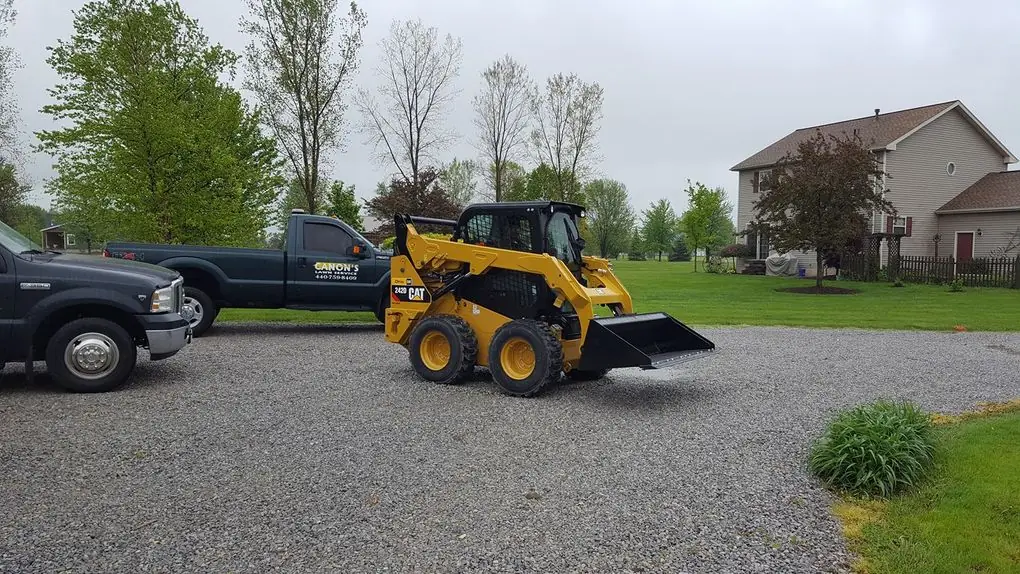
Most people end up with two separate arrangements without ever really deciding to. A lawn company for the growing season, and whoever's plowing shows up first after the first real snow. Neither one knows the property outside its own months, and every fall and every spring somebody's starting from zero on a yard they've never actually walked.
Two Calls a Year Instead of One Ongoing One
The other version of this is a phone that stays busy every spring and every fall. Find a mowing company in April, hope they're still taking new clients in June, then start the same search for a plow service in November, hoping this year's search goes better than the search two winters ago. A season contract turns that into one conversation, once, instead of a small annual project just to keep a property looked after.
What's Actually in a Season Contract
A season contract with us runs the whole calendar rather than a single job. Through the growing months that's mowing, fertilizing and the regular ground maintenance a property needs to hold its shape. Alongside it, on the same visit schedule, there's the less frequent work: mulching, tree installation, natural hardscapes, the jobs that change how a yard looks rather than just keeping it tidy. Then at both ends of the year there's spring and fall cleanup, and once the weather turns, snow removal and deicing.
The Part That's Easy to Miss: the Crew Already Knows the Property
The practical difference isn't really the list of services, it's that the same people are doing all of it. A crew that's mowed a lawn all summer already knows where the sprinkler heads are, where the septic lid sits, where the driveway edge drops off. When winter comes and that same crew is running a plow on the property, none of that has to be relearned or guessed at in the dark during a storm. That's not a small thing on a property with landscaping beds close to the drive.
Where the 10% Goes
New customers get 10% off a season contract, which is really just a way of saying we'd rather have the whole year than one job. A single mowing visit or a single plow run after a storm is priced for exactly that, one visit. A season contract is priced as a relationship, and the discount reflects that it costs less for everyone when the schedule is set once instead of negotiated call by call.
- A cleanup crew that's never mowed the lawn and doesn't know which beds are new plantings versus weeds.
- A plow driver working from memory of the driveway instead of a season of actually seeing where the edges are.
- Two separate invoices, two separate schedules, and two companies who've never spoken to each other about the same yard.
The Handoff Weeks Are Where Things Usually Break Down
The weeks between seasons are where a lot of arrangements quietly fail. Late October or early November, when mowing is tapering off but the first snow hasn't shown up yet, is exactly when a summer only lawn company stops answering and a winter only plow service hasn't started taking calls. On a season contract that gap doesn't exist, because it's the same crew and the same contract running straight through, with fall cleanup filling that window rather than leaving it empty. The same is true in reverse come March and April, when snow removal is winding down and the first mow of the year is coming up faster than most people expect.
Who a Season Contract Actually Fits
It's not the right fit for every property. Somebody who mows their own lawn and only wants snow removal in the worst storms doesn't need a season contract, they need one service. It's built for the properties around Wellington, LaGrange, Grafton, Sullivan and New London that would rather deal with one crew across all twelve months than reintroduce themselves to somebody new twice a year.
The season contract isn't a bundle built to sell more hours. It's what happens when the same people are responsible for a yard in July and in January, and neither season gets treated like an afterthought. A property doesn't stop needing attention just because the calendar flips to a month with less mowing in it, and a contract built around the whole year treats it that way from the start.
Canon's Lawn Service, (440) 759-8409
Call (440) 759-8409More articles
Why Cutting Your Lawn Shorter in August Makes It Worse
The shorter cut that looks tidiest in July is usually the reason the same lawn goes brown by August.
Why We Time Fall Cleanup to the Trees, Not the Calendar
Maples and oaks don't read a calendar, and neither should a fall cleanup.